Welcome to Shoujo Ramune
Your cozy corner for everything sweet, nostalgic, and beautifully crafted.
At Shoujo Ramune, we celebrate the charm of Japanese pop culture—bringing you curated collectibles, adorable gifts, and enchanting designs inspired by the soft, dreamy world of shoujo aesthetics. Whether you’re here to explore new finds, delight in unique artwork, or add a touch of kawaii magic to your day, you’re in the right place.

Shoujo Ramune: Understanding the Controversy and the Cultural Conversation Behind It
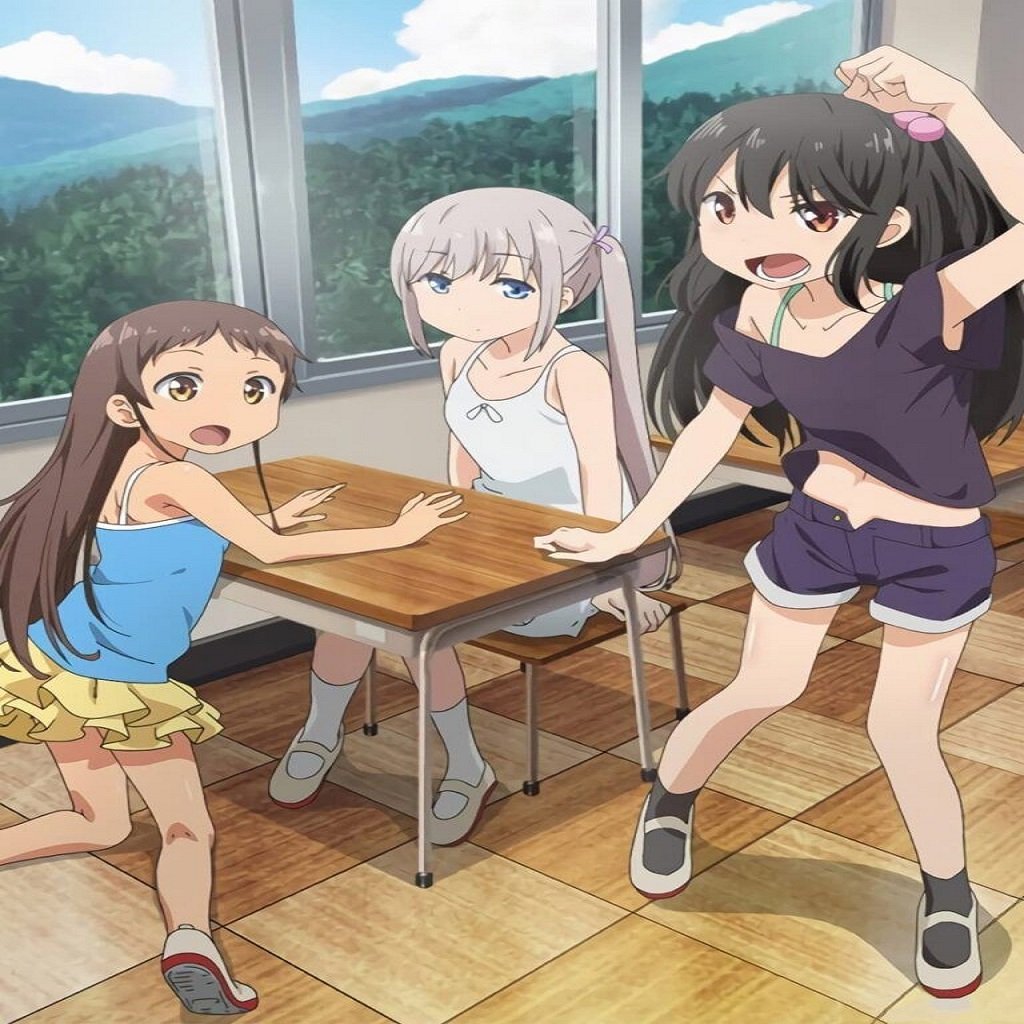
In recent years, the title “Shoujo Ramune” has sparked intense discussion across online communities, from anime forums to cultural commentary blogs. Whether you’ve stumbled upon the name through curiosity or controversy, one thing is clear: Shoujo Ramune is not just another niche title—it’s a conversation starter about media boundaries, content responsibility, and the evolving landscape of digital entertainment.
What Exactly Is “Shoujo Ramune”?
At its core, Shoujo Ramune Vol 1 Sub-Eng is a Japanese media work that became widely known not for mainstream appeal, but for the significant debate surrounding its themes and presentation. While it exists within a fringe segment of adult media, its notoriety has propelled it into broader discussions about how content creators portray sensitive subjects and how audiences engage with morally complex media.
Why Has It Drawn So Much Attention?
The attention surrounding Shoujo Ramune has far less to do with artistic innovation and far more to do with ethical concerns and cultural sensitivities. It’s frequently referenced in debates about:
-
Media regulation and censorship
-
The protection of minors in fictional and real contexts
-
Artistic freedom vs. societal responsibility
-
How online platforms shape what content becomes visible
This controversy made the title a symbol—representing the fine line between expression and exploitation, and how different cultures define that boundary.
The Broader Conversation: Why It Matters
Even if someone has no interest in fringe media, the discussions sparked by Shoujo Ramune highlight important questions:
1. How should sensitive themes be handled in creative industries?
The global conversation around responsible storytelling has grown significantly. Audiences today expect creators to use difficult topics with care, empathy, and purpose.
2. What role do platforms play in content distribution?
Streaming sites, search engines, and social media now wield great influence over what becomes accessible. Titles like Shoujo Ramune push platforms to reconsider their content guidelines.
3. Why is media literacy more important than ever?
With infinite content only a click away, understanding context, audience, intention, and impact is crucial—especially for younger users navigating digital spaces.
A Cautionary Reminder for Viewers
Because of its controversial nature, Shoujo Ramune is not recommended for general audiences, and most mainstream platforms prohibit or restrict it. Viewers who encounter discussions about it should approach the subject with awareness and caution, recognizing its place not as entertainment, but as part of a broader media-ethics conversation.
Final Thoughts: A Name That Sparks Dialogue
While Shoujo Ramune itself is not a work intended for wide or casual audiences, its existence has undeniably influenced ongoing debates about creative boundaries and online content responsibility. It serves as a reminder that in today’s interconnected world, every piece of media—no matter how niche—can become part of a global conversation.
If you’re exploring the modern landscape of digital culture, controversies like this highlight why critical thinking, ethical reflection, and responsible platforming have never been more essential.