Cheese Curd: Everything You Need to Know About This Fresh Dairy Delight
Cheese curd is one of the freshest and most fascinating forms of cheese, loved for its mild flavor, springy texture, and unmistakable squeak when bitten into. Often enjoyed as a snack, a cooking ingredient, or the star of iconic dishes like poutine, cheese curd holds a special place in both traditional cheesemaking and modern cuisine. This article explores what cheese curd is, how it’s made, its uses, nutritional value, and why it has become increasingly popular around the world.
What Is Cheese Curd
Cheese curd is the fresh, solid part of milk that forms during the early stages of cheesemaking. When milk is warmed and mixed with cultures and rennet, it coagulates and separates into curds and whey. The curds are cut, drained, and lightly pressed, resulting in soft, moist pieces known as cheese curds.
Unlike aged cheeses, cheese curd is typically eaten fresh, often within hours or days of production. This freshness gives it a mild, milky flavor and a unique elastic texture that produces a squeaking sound when chewed, especially when it is very fresh.
How Cheese Curd Is Made
The process of making cheese curd follows the foundational steps of cheesemaking, but stops before aging begins. First, high-quality milk is pasteurized and heated. Starter cultures are added to develop acidity, followed by rennet to cause coagulation. Once the milk sets, it is cut into small cubes, allowing whey to release.
The curds are then gently cooked and stirred to reach the desired moisture level. After draining the whey, the curds are salted lightly. At this stage, instead of being pressed into molds and aged like cheddar or other cheeses, the curds are packaged and sold fresh.
This minimal processing is what keeps cheese curd soft, springy, and highly perishable.
Texture and Flavor Profile of Cheese Curd
Cheese curd has a mild, slightly salty, and milky flavor. It lacks the sharpness or complexity of aged cheeses, which makes it approachable and versatile. The texture is firm yet elastic, and when fresh, it produces the signature squeak against the teeth caused by tightly bonded proteins.
As cheese curd ages, even over a few days, it begins to lose this squeak and becomes more like mild cheddar. Temperature also affects texture, with room-temperature curds squeaking more than cold ones.
Popular Types of Cheese Curd
Cheese curd is commonly associated with cheddar, but it can be made from different milk types and flavored in various ways. The most common varieties include white cheddar cheese curd, yellow cheddar cheese curd, flavored cheese curds with herbs or spices, and cheese curds made from goat or sheep milk.
Each variety offers subtle differences in taste and texture, but all retain the fresh, youthful character that defines cheese curd.
Common Uses of Cheese Curd
Cheese curd is incredibly versatile and can be enjoyed in many ways. Some people prefer eating it plain as a snack, while others use it as a cooking ingredient. It melts beautifully without becoming greasy, making it ideal for comfort foods.
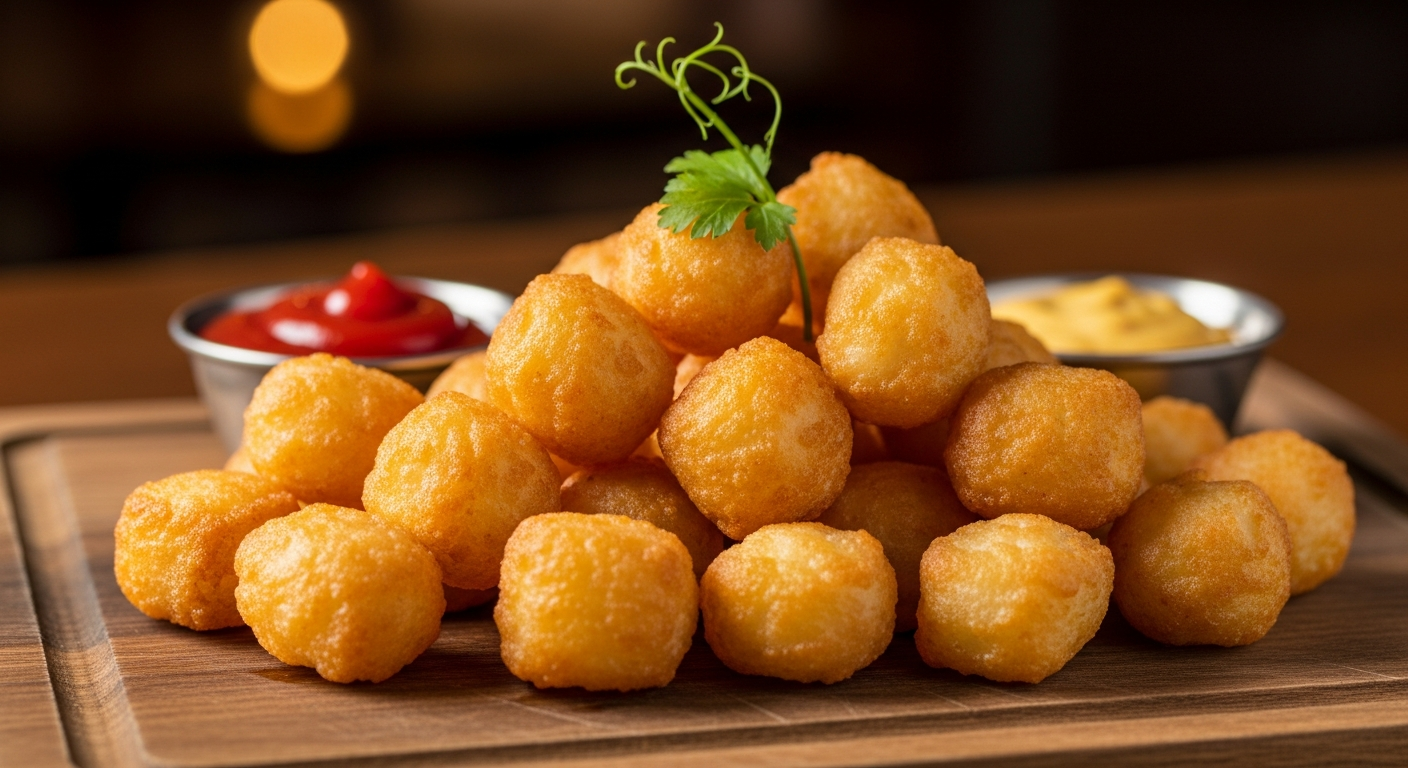
Cheese curd is most famously used in poutine, where it is layered over French fries and topped with hot gravy. It is also battered and deep-fried as a popular appetizer, especially in North America. In home kitchens, cheese curd can be added to salads, sandwiches, casseroles, and pasta dishes.
List of Popular Dishes Made With Cheese Curd
Classic and Modern Dishes Featuring Cheese Curd
Poutine with fries, gravy, and fresh cheese curd
Deep-fried cheese curds served as an appetizer
Cheese curd salad with fresh vegetables
Grilled cheese sandwiches using cheese curd
Mac and cheese enhanced with cheese curd
Breakfast omelets filled with cheese curd
This list highlights how adaptable cheese curd is across different meals and cuisines, without relying on traditional bullet points.
Nutritional Value of Cheese Curd
Cheese curd is rich in essential nutrients, making it both satisfying and nourishing. It is a good source of protein, calcium, phosphorus, and vitamin B12. These nutrients support muscle health, bone strength, and energy production.
However, cheese curd also contains saturated fat and sodium, so moderation is important. Because it is minimally processed and often made with whole milk, it can be more filling than heavily aged or processed cheeses.
How to Store Cheese Curd Properly
Freshness is key when it comes to cheese curd. It should be stored in an airtight container in the refrigerator and ideally consumed within a few days of purchase. Some people prefer keeping cheese curd at room temperature for short periods to preserve the squeaky texture, but this should only be done for very fresh curds and for food safety reasons.
Freezing cheese curd is possible, but it will significantly alter the texture, making it less squeaky and more crumbly once thawed.
Why Cheese Curd Has Become So Popular
Cheese curd has gained popularity due to its unique texture, clean flavor, and connection to comfort food culture. Social media, food festivals, and global interest in artisanal and fresh foods have also helped introduce cheese curd to new audiences.
Its association with regional specialties, especially in places like Wisconsin and Canada, has made cheese curd a symbol of local pride and culinary tradition.
Difference Between Cheese Curd and Cheddar Cheese
Although cheese curd is often made from cheddar cheese recipes, it is not the same as cheddar cheese. Cheese curd is essentially young cheddar before it has been pressed and aged. Cheddar cheese undergoes additional steps, including cheddaring, pressing, and aging, which develop its sharper flavor and firmer texture.
In simple terms, cheese curd is cheddar in its earliest, freshest form.
Conclusion
Cheese curd is more than just a snack—it is a fresh, versatile, and nutritious form of cheese that has captured the hearts of food lovers worldwide. Its mild flavor, unique squeaky texture, and adaptability in both traditional and modern dishes make it a culinary favorite. Whether enjoyed on its own, deep-fried, or as part of a comforting poutine, cheese curd offers a delicious taste of freshness that is hard to replicate with aged cheeses. By understanding its production, storage, and uses, anyone can appreciate why this simple dairy delight has remained a beloved staple in kitchens and food culture everywhere.
FAQs About Cheese Curd
What does cheese curd taste like
Cheese curd has a mild, slightly salty, and milky flavor. It is less sharp than aged cheeses and very approachable for most palates.
Why does cheese curd squeak when you eat it
The squeak comes from the elastic protein structure of very fresh cheese curd rubbing against the teeth during chewing.
Is cheese curd healthy
Cheese curd provides protein, calcium, and essential vitamins, but it should be eaten in moderation due to its fat and sodium content.
How long does cheese curd stay fresh
Cheese curd is best consumed within a few days of production. As it ages, it loses its squeaky texture and fresh flavor.
Can cheese curd be melted
Yes, cheese curd melts very well and is commonly used in dishes where a creamy, smooth melt is desired.