Riverbank Collapse Iford Playing Fields: Safety & Causes Explained
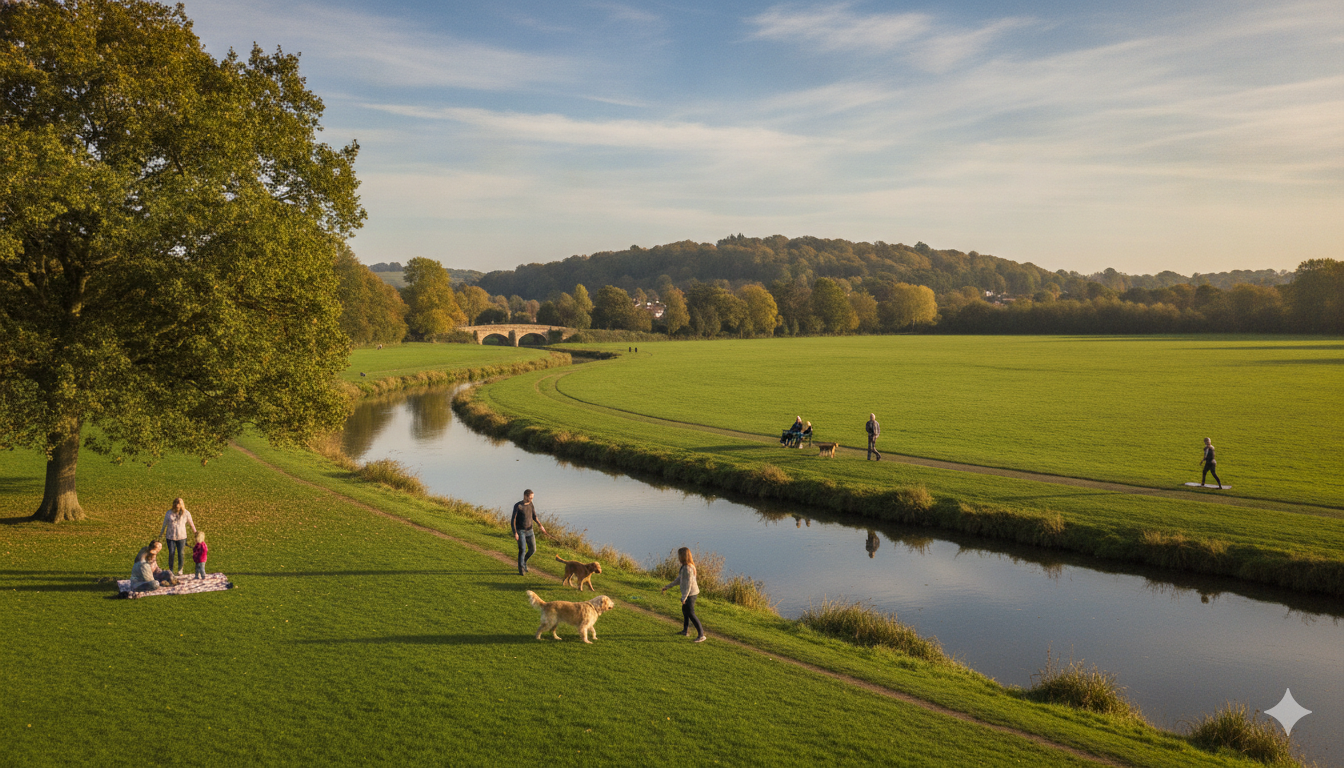
Have you ever visited the beautiful Iford Playing Fields in Christchurch? Many families go there to enjoy nature, walk their dogs, or just relax by the water. Recently, people noticed a scary change. A large riverbank collapse iford playing fields area happened, and it left many locals feeling worried. When a riverbank gives way, it can look quite dramatic and even a little frightening. It is important to know why this happens and how to stay safe when you visit our local green spaces.
What Happened at the Riverbank?
In late May 2025, visitors were shocked to find a large section of the riverbank had simply disappeared overnight. Strong winds played a major role in this event. The force of the wind and the natural movement of the water caused the earth to slip into the river. Some large trees even fell into the water because the ground beneath them could no longer hold them up.
Why Do Riverbanks Collapse?
A riverbank collapse iford playing fields event is usually part of nature’s way of changing the land. Rivers are always moving and wearing away at the soil. This is called erosion. Sometimes, the soil becomes too wet or heavy, and gravity pulls it down. While it looks messy, it is often just the river doing what it has done for thousands of years.
The Role of Weather
Heavy rain and strong winds are big helpers in causing a riverbank collapse iford playing fields situation. When it rains a lot, the soil soaks up water like a sponge. This makes the ground heavy and weak. Then, when a strong wind hits, it can push trees that are already standing on shaky ground into the river. It is a powerful reminder of how strong nature really is.
Is the Area Safe to Visit?
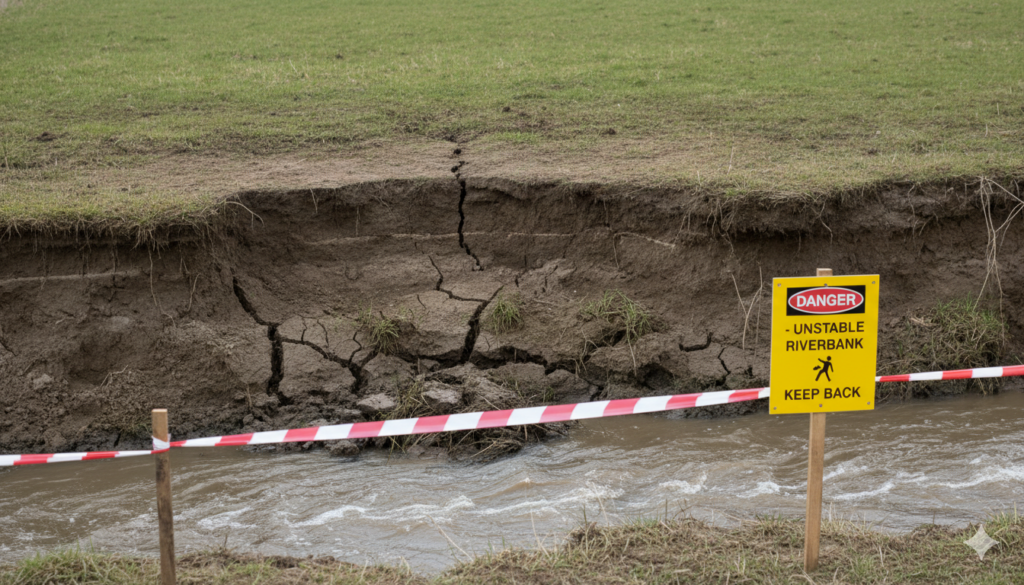
If you are planning a trip to the park, please be careful near the water’s edge. A riverbank collapse iford playing fields incident can leave the ground unstable. Even if a part of the bank looks solid, it might be weak underneath. It is always best to stay on marked paths and follow any warning signs. Keeping a safe distance from the water is the smartest way to enjoy your day.
How Councils Handle These Issues
Local councils, like the BCP Council, have teams that monitor these areas. When a riverbank collapse iford playing fields event occurs, they usually check if the public is at risk. They might put up fences or signs to keep people away from the danger zone. They also talk to experts to see if they need to fix the bank or just let nature take its course.
Signs of an Unstable Riverbank
You can look out for clues that the ground might be weak. If you see deep cracks in the grass near the water, that is a warning sign. Leaning trees that look like they are slowly falling toward the water are another clue. If you see these things, do not walk on that ground. Always tell an adult or contact the local council if you see something that looks dangerous.
Tips for Walking Near Rivers
If you love walking by the river, there are easy ways to stay safe. Always keep your dogs on a lead near steep banks. Avoid walking on edges where you see soil sliding or trees leaning. Remember that riverbanks change often, even if they looked fine last week. Being aware of your surroundings helps you have a fun and safe time outdoors.
Why We Must Protect Our Banks
Riverbanks provide homes for many birds, insects, and fish. A riverbank collapse iford playing fields event can change these homes. By respecting the barriers and staying on paths, we help keep these areas quiet for the animals. We also protect our own feet from getting hurt by unstable ground. It is a win-win for everyone when we follow the safety rules.
The Impact on Local Wildlife
The river is a busy place for local animals. When a riverbank collapse iford playing fields incident happens, it can block part of the river or change where animals hide. However, nature is very good at recovering. Over time, new plants will grow, and animals will find new spots to live. It is a slow process, but it shows how resilient our local environment really is.
Looking Ahead to Future Safety
Will this happen again? It is very likely that another riverbank collapse iford playing fields event will happen one day. Since rivers are always changing, we should expect these small shifts in the land. By staying informed and paying attention to warnings, we can keep using our beautiful playing fields for many years to come. Nature is always in motion!
Important Details at a Glance
| Factor | Effect on Riverbank | Safety Action |
| Heavy Rain | Weakens soil structure | Avoid wet, muddy edges |
| Strong Winds | Topples trees and loose soil | Stay away from trees near water |
| Erosion | Naturally wears away banks | Stay on marked walking paths |
| Soil Cracks | Indicates instability | Do not stand on or near cracks |
FAQs
1. Is it still safe to visit Iford Playing Fields?
Yes! The park remains a lovely place to visit, but please avoid areas marked with safety signs or fencing.
2. Why did the riverbank collapse?
It was caused by a mix of natural erosion and strong winds that weakened the ground.
3. Will the council fix the collapse?
The council is monitoring the area and taking advice from experts to decide what to do next.
4. Can I swim in the river there?
It is safer to stay out of the water near areas of collapse, as there may be hidden hazards like submerged trees.
5. What should I do if I see a new crack in the ground?
Keep a safe distance and report it to the local BCP Council so they can check it.
6. Are the trees dangerous?
Leaning trees can be a sign of unstable soil, so it is best to avoid standing right under or near them.
Conclusion
The riverbank collapse iford playing fields incident reminds us that nature is always changing. While it might look a bit scary, staying aware and following safety tips helps everyone stay safe. Do you have a favorite spot at Iford Playing Fields? Let us know in the comments how you help keep our local parks safe and clean!