The Ultimate Axolotl Diet Guide: 10 Best Foods for Pet Salamanders
Have you ever looked at a cute little axolotl and wondered what they like to eat? These smiling water pets are very special. They live their whole lives underwater. Taking care of them is fun, but you must know the right axolotl diet to keep them happy and strong. Many new pet owners make mistakes with food. Do not worry! This guide will help you learn everything you need to know. We will explore what makes a great axolotl diet in captivity so your little friend can grow big and healthy. Let us dive right in and learn how to feed your pet the best meals possible!
What is an Axolotl? Meet the Water Dragon
Before we talk about food, let us learn a little bit about these cool animals. Axolotls are amphibians. This means they are cousins to frogs and toads. But unlike frogs, they never leave the water. They have lovely feathery gills on their heads that help them breathe. In the wild, they live in cool, dark lakes in Mexico. They are carnivores, which means they love to eat meat. Knowing this helps us figure out what is an axolotl diet in the wild versus at home. They do not eat plants or veggies. They love meaty snacks that give them lots of energy to swim around their tanks.
Understanding the Natural Mexican Axolotl Diet
Let us take a fun trip to Mexico to see what these animals eat naturally. The mexican axolotl diet consists of small creatures found in their home lakes. They love to eat tiny fish, small worms, insect larvae, and tiny crustaceans. Because they do not have teeth for chewing, they use a special vacuum trick. They open their big mouths and suck water and food right in. Gulp! The food goes straight into their tummies. When we keep them as pets, we try to copy this natural diet. Giving them the right foods keeps their instincts happy and makes them feel right at home in your aquarium.
What is a Axolotl Diet in Captivity?
When your pet lives in a glass tank, you are the chef. What is a axolotl diet like in a tank? It is a menu made of store-bought or frozen foods that mimic their wild meals. You do not have to catch bugs from a lake. Instead, pet stores sell amazing foods that are clean and safe. A great axolotl diet in captivity includes earthworms, bloodworms, and special pellets. These foods give them all the vitamins and protein they need. Your main job is to drop the food near them so they can easily spot it and gobble it up with their big vacuum mouths.
Earthworms: The Superfood for Your Pet
Earthworms are the absolute best choice for your pet. Every good axolotl diet should include them. You can buy nightcrawlers at pet shops or bait shops. Make sure they are clean and not covered in dirt or bug spray. For baby axolotls, you might need to cut the worms into tiny, bite-sized pieces. Older pets can eat whole worms. Earthworms are like a magic vitamin pill for your pet. They are packed with protein and calcium. When you feed your pet earthworms, you will notice they stay very active, have bright colors, and grow up to be strong and healthy water dragons.
Bloodworms: Tasty Treats and Baby Food
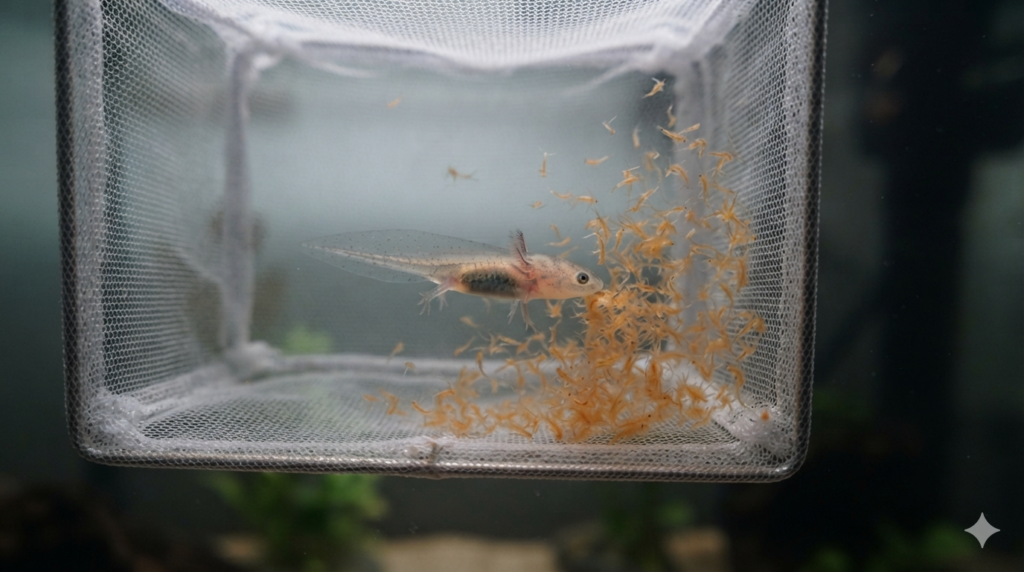
Bloodworms are a big favorite in the axolotl diet in captivity. They are actually little red fly larvae. You can buy them frozen in small cubes at the pet store. Baby axolotls go crazy for bloodworms because they are small and easy to swallow. Older pets love them too, but as a snack rather than a full meal. Think of bloodworms like candy for your pet. They taste delicious, but they do not have enough heavy nutrients for a big adult. Always mix bloodworms with other foods like earthworms to ensure your pet gets a balanced and healthy meal every single day.
Special Pellets Made Just for Axolotls
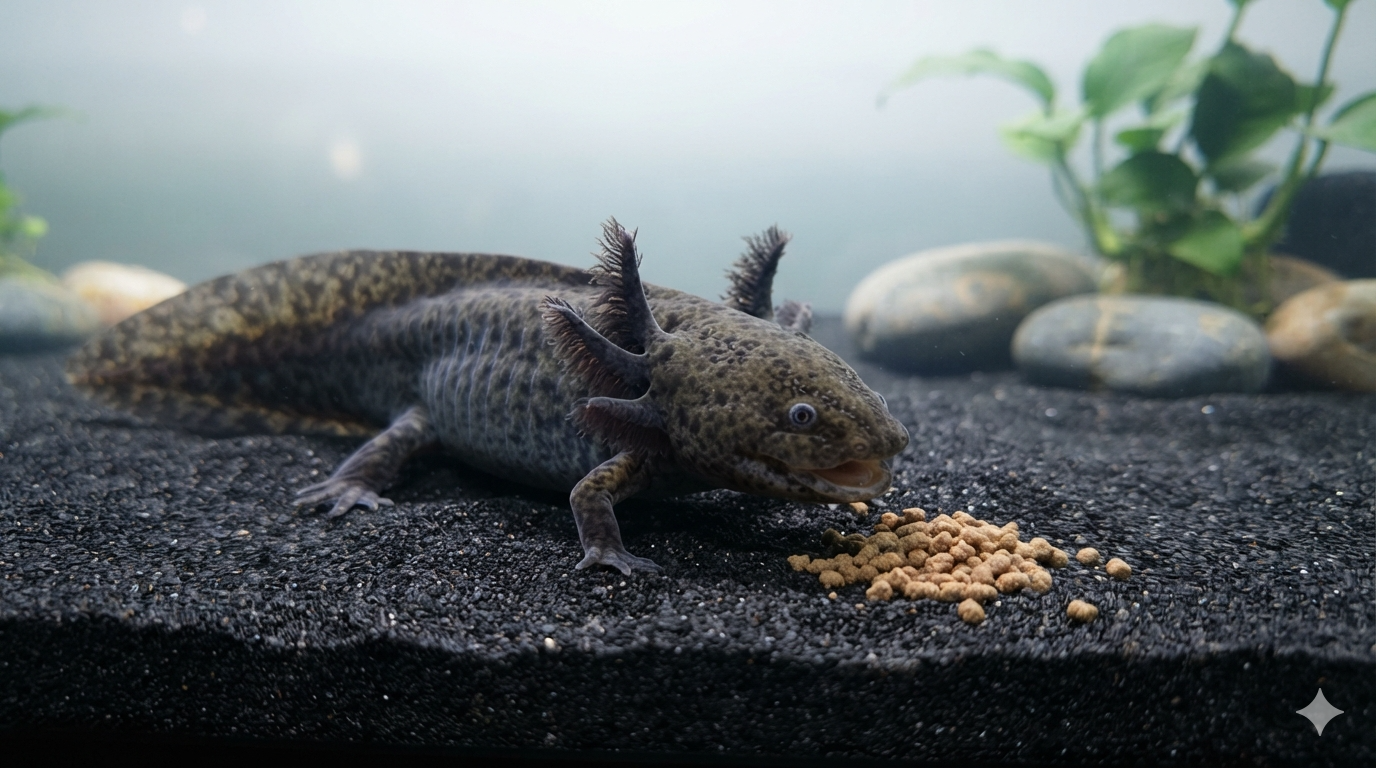
Did you know scientists made special food just for these water pets? Sinking pellets are a wonderful addition to any axolotl diet. Make sure you buy soft pellets that sink straight to the bottom of the tank. Do not buy fish flakes or turtle food. Those are not good for your pet’s tummy. Sinking pellets are formulated to match the mexican axolotl diet as closely as possible. They are full of fish meal and vitamins. Drop a few pellets near your pet and watch them hunt them down on the tank floor. It is a very easy way to feed your pet when you are busy.
Foods You Must Never Feed Your Pet
While exploring what is an axolotl diet, it is super important to know what NOT to feed them. Never give your pet human food like cheese, bread, or pieces of hot dog. Their tummies cannot digest those items. Also, stay away from hard feeder fish like goldfish. Goldfish can carry diseases, and they have hard bones that might get stuck in your pet’s throat. Another big danger is gravel. If the gravel at the bottom of the tank is too small, your pet might swallow it by accident while eating. Always use fine sand or a bare-bottom tank to keep them safe from tummy aches.
Feeding Schedule: How Often to Feed?
How often should you feed your cute little water dragon? The answer depends on how old they are. Little baby axolotls are growing fast. They need to eat every single day, sometimes twice a day! Older, adult pets have slower tummies. They only need to eat two or three times a week. When you create an axolotl diet schedule, stick to it. Only give them as much food as they can eat in about two or three minutes. If there is food left over at the bottom of the tank, use a net to scoop it out. Clean water keeps your pet safe and happy.
Complete Nutritional Breakdown Table
To help you plan the best meals, here is a handy table showing the top food choices for your pet:
| Food Type | Best For | How Often to Feed | Nutritional Benefit |
| Earthworms | All ages | 2–3 times a week | High protein, rich in vitamins and calcium. |
| Bloodworms | Babies & treats | Daily for babies, weekly for adults | Highly appetizing, great for small mouths. |
| Sinking Pellets | Juveniles & adults | 2–3 times a week | Balanced nutrition, convenient to store. |
| Waxworms / Grubs | Rare treats | Once a month | High fat content (feed sparingly). |
| Feeder Guppies | Advanced hunting | Rarely (risk of disease) | Provides mental stimulation and natural hunting. |
Fun Feeding Tips for Happy Water Pets
Feeding time can be a wonderful bonding moment with your pet. Here are some pro tips to make mealtime amazing. First, turn off bright tank lights before you feed them. Axolotls do not have eyelids, and bright lights hurt their eyes. Second, use long feeding tongs to hold the food gently near their face. This stops them from biting your fingers by mistake! Third, watch them chew and swallow. It looks very funny because they suck the food in like a tiny whirlpool. Enjoy watching your happy pet eat their healthy axolotl diet in captivity every week.
FAQs
1. What is the best food for an axolotl diet?
Earthworms are widely considered the absolute best food. They provide complete nutrition, great protein, and essential vitamins to keep your pet strong and healthy.
2. Can I feed my pet regular fish flakes?
No, regular fish flakes are not part of a healthy axolotl diet. They lack the right nutrients and can cause serious tummy trouble for your aquatic pet.
3. How often should I feed an adult axolotl?
Adult pets only need to eat about two to three times a week. Their metabolism is slow, so overfeeding can lead to unhealthy weight gain and dirty tank water.
4. Why is my axolotl spitting its food out?
Sometimes they spit food out because it is too big, smells funny, or they are full. Try cutting the food into smaller pieces or offering a different tasty snack.
5. Do axolotls need water to eat?
Yes! Axolotls are fully aquatic animals. They must eat underwater because they need the water current and pressure to help them swallow their food properly.
6. What should I do if my pet refuses to eat?
Check your water temperature and cleanliness first. If the water is too warm or dirty, they will lose their appetite. Consult a vet if they refuse food for over a week.
Conclusion
Taking care of a water dragon is a rewarding and joyful adventure. By following a proper axolotl diet, you ensure your pet lives a long, happy, and playful life in your home. Remember to use earthworms, healthy pellets, and occasional bloodworm treats while avoiding dangerous foods and gravel. What is your favorite thing about your pet axolotl? Drop a comment below, share this guide with a fellow pet lover, or start planning your pet’s next delicious meal today!