7 Simple Tips: The Best Diverticulitis Diet Plan for Quick Relief
Dealing with digestive issues is never fun. If you have been told you have diverticulitis, you might feel worried about what to put on your plate. A good diverticulitis diet is one of the best ways to help your body heal and feel better fast. When your digestive system is inflamed, it needs a break from heavy or hard-to-digest foods. By choosing the right meals, you can calm your gut and get back to your normal routine. This guide makes it easy to understand exactly how to eat for a happier tummy.
Understanding Your Digestive Needs
When you are in the middle of a flare-up, your gut is very sensitive. Doctors often suggest a clear liquid diet first to let your bowel rest. Once you feel a little better, a low-fiber diverticulitis diet helps you slowly add nutrients back in. It is all about being gentle on your system. Think of it as giving your digestive tract a well-deserved vacation. As you heal, you can start adding more solid foods back into your day. Always listen to your body and move slowly during this important healing process.
Why a Low-Fiber Approach Works
During an active flare-up, high-fiber foods can be too much for your gut to handle. A diverticulitis diet focuses on foods that are very easy to break down. This means avoiding raw veggies, nuts, and seeds for a short time. Instead, stick to cooked foods that are soft and simple. This low-fiber strategy helps reduce the amount of stool your body needs to pass. By doing this, you are helping to lower the pressure inside your colon. Less pressure means less pain and a much faster road to feeling like yourself again.
Essential Foods for Your Healing Journey
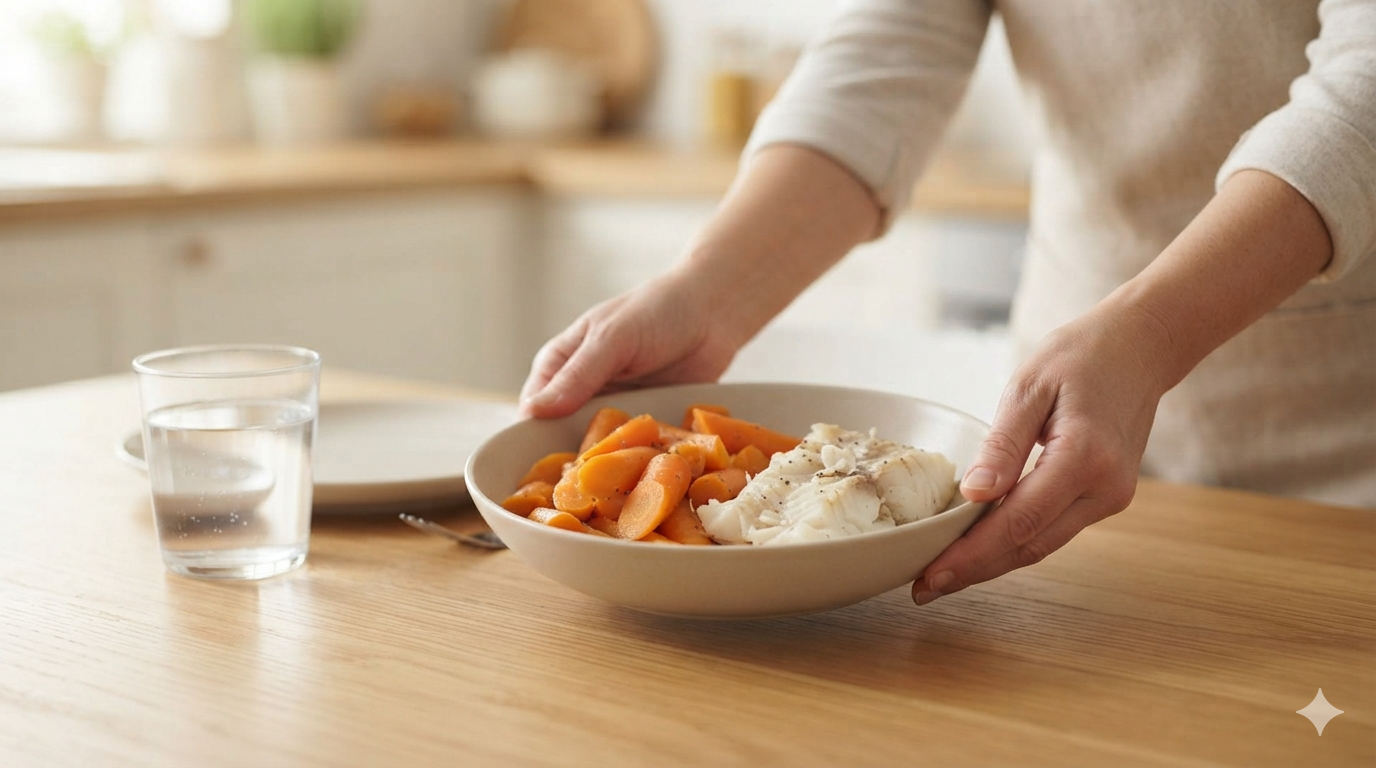
Knowing what to eat on a diverticulitis diet can feel confusing at first. Stick to white bread, white rice, and cooked meats that are tender. Well-cooked vegetables like carrots or potatoes without the skin are also great choices. You can even enjoy eggs, canned fruits without seeds, and smooth nut butters in small amounts. These foods give you energy without irritating your sensitive digestive lining. Keeping your meals simple is the secret to success. Remember, this is only temporary until your symptoms go away and you feel strong again.
Using a Printable Diverticulitis Diet PDF
It helps to have a plan written down so you do not have to guess. Many people find that using a printable diverticulitis diet pdf makes grocery shopping much easier. You can keep it on your fridge as a quick reminder of what to buy. Having a list takes the stress out of planning your weekly meals. A good diverticulitis diet pdf usually includes a list of safe foods and foods to avoid during a flare. This simple tool is a lifesaver when you are not feeling your best.
Exploring Easy Diverticulitis Diet Recipes
Cooking at home is the best way to stay in control of your health. Many diverticulitis diet recipes are surprisingly tasty and very simple to make. Try making soft chicken soup with peeled carrots and white rice. Another great option is baked white fish with a side of mashed potatoes. These diverticulitis diet recipes provide the nutrition you need without causing any extra gut distress. Making your own food ensures you avoid hidden ingredients that might bother your stomach. Plus, home-cooked meals are almost always healthier than eating out.
Foods to Avoid During a Flare-Up
While you are on a diverticulitis diet, some foods should definitely stay off your plate. Stay away from whole grains, raw vegetables, and fruits with skins or seeds. Popcorn, beans, and spicy foods are also major culprits that can trigger more pain. These high-fiber items are usually great for health, but not when your gut is inflamed. You should also skip tough meats and fried foods while you are recovering. Avoiding these specific triggers is a huge part of finding relief and staying on track with your recovery.
Transitioning Back to Normal Eating
Once your symptoms fade, you can slowly start adding fiber back into your meals. Do not rush this step, as your gut needs time to adjust again. Start by adding one high-fiber food item every few days to your diverticulitis diet. See how your body reacts before adding more healthy foods like beans or whole grains. This slow approach helps you avoid another painful flare-up in the future. Gradual changes are always safer and more sustainable for your long-term digestive health. Your goal is a balanced diet that you can enjoy every day.
Hydration: The Hidden Key to Success
Water is just as important as the food you eat on a diverticulitis diet. Drinking plenty of fluids helps keep your digestion moving smoothly and prevents constipation. If you are not hydrated, fiber cannot do its job properly in your system. Aim to drink water throughout the day, even if you do not feel very thirsty. Sometimes, herbal teas or clear broths are also excellent ways to stay hydrated. Proper fluid intake is a simple but powerful habit that supports every single part of your digestive recovery.
Long-Term Health and Fiber Balance
After you have fully recovered from a flare-up, fiber is actually your best friend. A healthy diverticulitis diet for the long term includes plenty of fruits, veggies, and whole grains. These foods keep your bowels regular and prevent future issues from starting. The key is to increase your fiber intake very slowly over many weeks. Drink extra water as you add more fiber to your daily routine. This balance will keep your digestive system happy, strong, and working exactly the way it should be for years.
Tracking Your Symptoms for Better Care
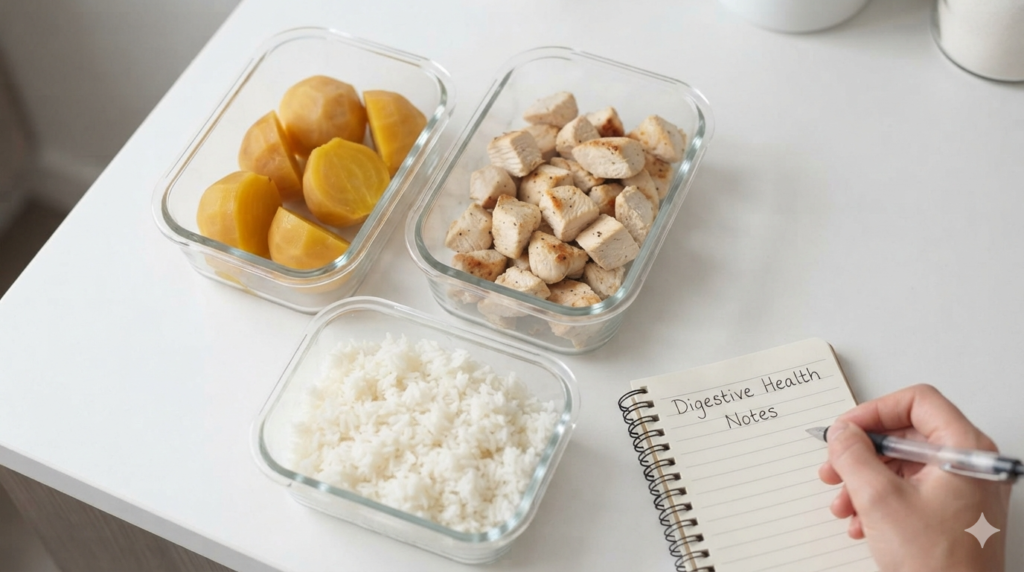
It is a great idea to keep a small food diary while following a diverticulitis diet. Write down what you eat and how your stomach feels afterward. This helps you identify which specific foods might be “trigger” foods for you. Everyone is a little different, so what works for someone else might not work for you. Having this information is very helpful when you talk to your doctor. It gives you a clear picture of your progress and helps you make the best choices for your body.
FAQs
1. What is the fastest way to start a diverticulitis diet?
Start with clear liquids for 24 hours to let your bowel rest completely. Then, slowly add low-fiber foods like white toast and rice.
2. Can I find a printable diverticulitis diet PDF online?
Yes, many hospitals and health websites offer a printable diverticulitis diet pdf that you can easily download and print for your kitchen.
3. Are there specific diverticulitis diet recipes that taste good?
Absolutely! Many diverticulitis diet recipes focus on simple ingredients like chicken, fish, and well-cooked vegetables that taste delicious and are very gentle.
4. How long should I stay on a low-fiber diet?
Usually, you stay on it until your pain goes away, which takes a few days. Always check with your doctor before adding fiber back.
5. Why is a diverticulitis diet PDF helpful?
A diverticulitis diet pdf keeps all your safe food choices in one spot. It prevents you from accidentally eating something that might hurt your stomach.
6. Will a diverticulitis diet prevent future flare-ups?
Eating a high-fiber diet after you recover is the best way to prevent future problems. The initial low-fiber plan is only for healing.
Conclusion
Taking control of your health with a proper diverticulitis diet is a smart move. By eating gentle foods, staying hydrated, and using tools like a diverticulitis diet pdf, you are giving your body the best chance to heal. Remember to listen to your doctor and watch how your body feels as you heal. Do you have a favorite easy recipe that helps your stomach feel better? Share your tips in the comments below, or start your plan today to feel the difference!