What Happens When You Die: Understanding Life, Death, and Beyond
Death is one of the few certainties in life that no human can avoid. While it is an inevitable part of existence, it remains one of the most profound mysteries that has intrigued philosophers, scientists, and spiritual leaders alike. The question, What happens when you die? touches on biology, consciousness, spirituality, and personal belief systems. Exploring this question requires examining death from multiple perspectives: physical, psychological, spiritual, and cultural.
The Biological Process of Dying
From a scientific standpoint, death occurs when the body ceases to function. This can happen gradually or suddenly, depending on the circumstances. In medical terms, death is often classified into two main categories: clinical death and biological death. Clinical death occurs when the heart stops beating, and breathing ceases. If resuscitation is possible within a short window, life can sometimes be restored. Biological death, on the other hand, refers to the permanent cessation of all bodily functions, including brain activity.
When a person dies, several physical changes begin to occur. The body temperature drops, the skin loses elasticity, and rigor mortis—stiffening of muscles—sets in. Cells throughout the body begin to break down, and decomposition eventually starts. These processes are well-studied by forensic scientists and provide important clues about the timing and cause of death. While these are observable physical phenomena, they do not explain the subjective experience of dying, which is far more complex.
Near-Death Experiences and Consciousness
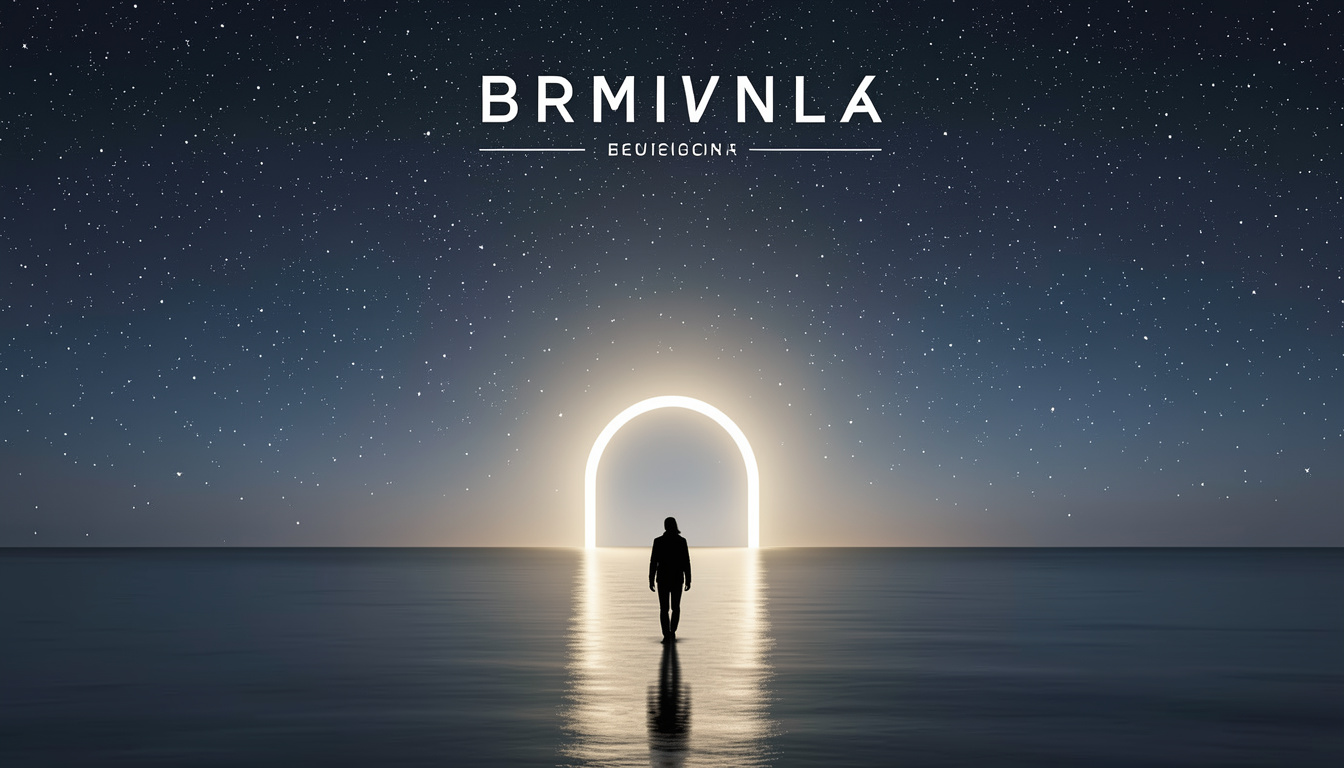
Many people who have been close to death report experiences that are difficult to explain purely through biology. These are often referred to as near-death experiences (NDEs). Common elements include a sense of leaving the body, moving through a tunnel, encountering bright light, and feeling overwhelming peace or love. Some report meeting deceased relatives or spiritual beings.
Scientists have attempted to explain these phenomena in terms of brain chemistry, oxygen deprivation, or neurological responses. For example, a surge of certain neurotransmitters during extreme stress might create vivid hallucinations. However, for many individuals, these experiences feel profoundly real and transformative. They often influence a person’s outlook on life, relationships, and beliefs about what happens after death.
Philosophical Perspectives on Death
Philosophers have long debated the nature of death and what, if anything, lies beyond. Ancient Greek thinkers like Socrates and Plato suggested that death could be a transition of the soul from the physical world to a higher realm of existence. Eastern philosophies, such as Hinduism and Buddhism, frame death as part of a continuous cycle of rebirth and karma, where the soul or consciousness evolves over multiple lifetimes.
Existential philosophers like Jean-Paul Sartre and Martin Heidegger, however, emphasize the finality of death as a way to give meaning to life. In this view, knowing that life is finite encourages individuals to live authentically and make conscious choices. Whether one views death as a doorway to another reality or the absolute end, it is clear that the human mind is naturally drawn to understanding and contemplating it.
Cultural and Religious Interpretations
Across the world, cultural and religious beliefs shape how societies view death. In Christianity, death is often seen as a passage to an afterlife, where souls are judged and sent to heaven or hell based on their earthly actions. In Islam, death similarly marks the beginning of a new eternal life, with moral and spiritual accountability.
Indigenous cultures frequently see death as a natural part of the life cycle, emphasizing connection to ancestors and the continuation of the spirit within the community. In Mexico, the Day of the Dead is a celebration that honors the deceased, reflecting a view of death as an ongoing relationship rather than a final separation.
These diverse interpretations highlight that death is not merely a biological event but also a deeply spiritual and cultural one, with each society developing rituals, beliefs, and practices to make sense of this inevitable transition.
Psychological Effects of Death on the Living
Death does not only affect the person who passes away; it profoundly impacts those left behind. Grief, mourning, and loss are universal psychological responses. The process of coping with death varies by individual, influenced by factors such as the nature of the relationship, cultural norms, and personal resilience.
Psychologists often describe grief as moving through stages, including denial, anger, bargaining, depression, and acceptance. These stages are not linear, and individuals may experience them in different orders or revisit certain emotions over time. Understanding death and its psychological effects helps the living process loss, find closure, and develop a deeper appreciation for life.
Scientific Research on Consciousness After Death
Despite centuries of speculation, science has not conclusively determined what happens to consciousness after death. While the brain is the center of thought, awareness, and personality, the mystery lies in whether consciousness can exist independently of a living body. Research into phenomena such as NDEs, near-death memories, and accounts of past-life recall suggests that human experience might not be entirely confined to biological processes.
Some neuroscientists argue that consciousness ceases when the brain stops functioning, akin to a computer shutting down. Others propose that consciousness could be a fundamental property of the universe, continuing in some form after physical death. This debate remains open, highlighting the limits of current scientific understanding and leaving room for personal interpretation and faith.
Preparing for Death
Though death is inevitable, many people avoid thinking about it until it becomes unavoidable. Preparing for death can take many forms, including emotional, practical, and spiritual preparation. Emotionally, it involves reconciling with oneself, loved ones, and unfinished business. Practically, it might involve creating wills, medical directives, or planning funerals. Spiritually, preparation often includes prayer, meditation, or reflection on life’s meaning.
Embracing death as a natural part of life can reduce fear and anxiety while fostering gratitude and mindfulness. People who actively contemplate mortality often report living more fully, cherishing relationships, and prioritizing experiences over material possessions.
Legacy and Remembrance
What happens after death is not only about the individual’s experience but also about the impact left behind. Legacy can take many forms: memories, teachings, creative works, contributions to society, and the influence one has had on others. In this way, people achieve a form of immortality through the lives they have touched.
Memorials, obituaries, and rituals serve as a reminder that while life ends, relationships, values, and influences persist. Many cultures emphasize the importance of leaving a positive mark on the world, highlighting that death is both an end and a continuation in the collective memory of humanity.
Conclusion
Death is both a biological event and a profound existential mystery. From the breakdown of the physical body to the possibility of consciousness continuing beyond life, it challenges humans to confront the limits of understanding. Cultural, religious, and philosophical perspectives provide diverse interpretations, reflecting humanity’s enduring quest to find meaning in mortality.
Ultimately, contemplating death encourages reflection, gratitude, and purposeful living. While no single answer exists to the question of what happens when you die, exploring it allows us to appreciate the fleeting beauty of life and the enduring connections we leave behind.
(FAQs)
1. What happens immediately after death?
Immediately after death, the body undergoes physical changes like the cessation of heartbeat, breathing, and brain activity. Decomposition eventually begins, but the subjective experience of consciousness remains unknown.
2. Do near-death experiences prove an afterlife?
Near-death experiences are compelling and often transformative, but they do not provide scientific proof of an afterlife. They may reflect brain responses to extreme stress, yet for many, they feel spiritually significant.
3. How do different religions view death?
Religions interpret death differently: Christianity and Islam emphasize judgment and an afterlife, Hinduism and Buddhism see it as part of a cycle of rebirth, and many indigenous traditions focus on ancestral connection and spiritual continuity.
4. Can consciousness exist without a body?
Science has no conclusive answer. While most neuroscientists believe consciousness depends on brain function, some philosophical and spiritual viewpoints suggest it might continue independently of the physical body.
5. How can we prepare for death?
Preparation includes emotional reconciliation, practical arrangements like wills, and spiritual reflection. Accepting death as part of life can reduce fear, deepen connections, and encourage a meaningful existence.