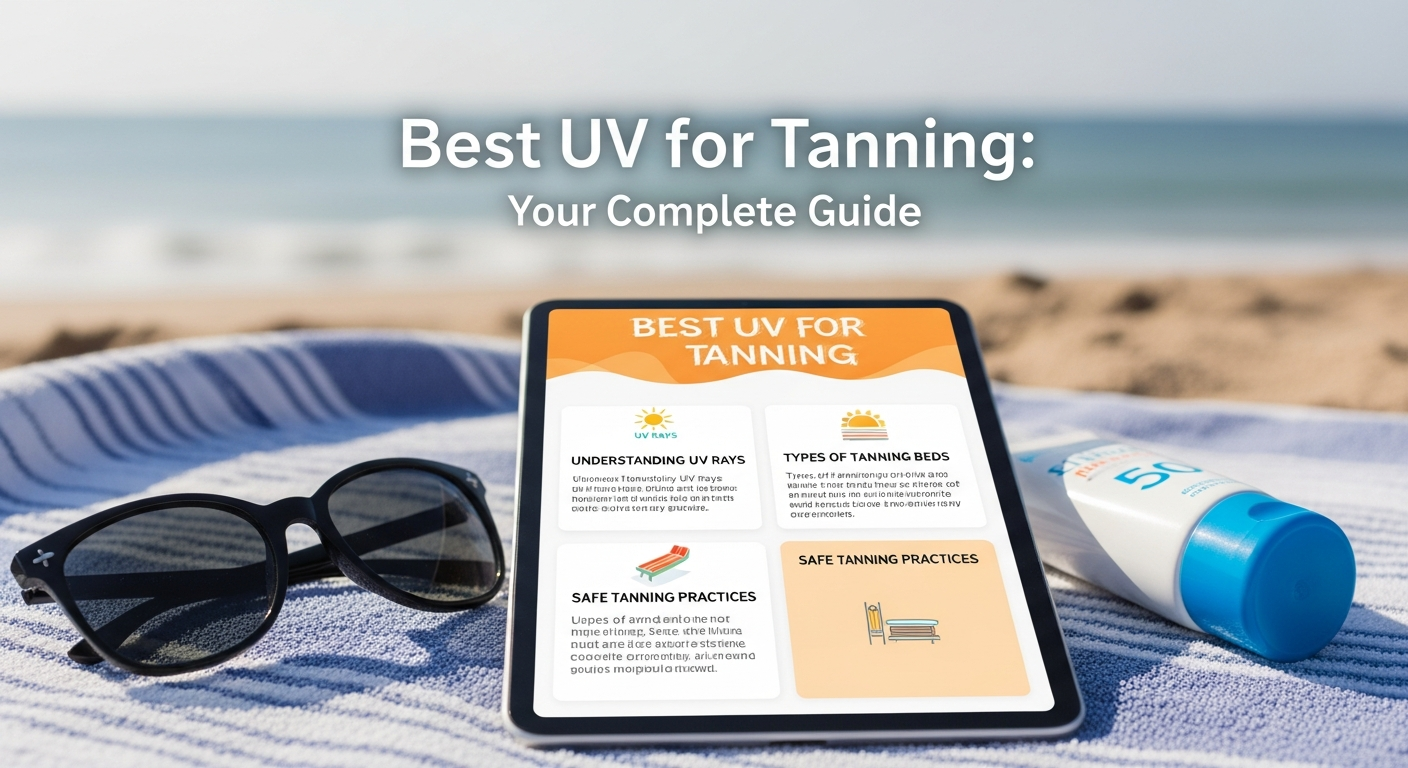
Best UV for Tanning: Your Complete Guide
Tanning is more than just a summer trend—it’s a way to feel confident and glow naturally. But not all sunlight or UV exposure is safe. Many people wonder, what is the best UV for tanning? This guide dives into everything you need to know, from finding the safest UV for your skin type to tips for faster and more even tanning. Whether you’re a beginner or a tanning enthusiast, we’ve got you covered.
What Is the Best UV for Tanning?
Understanding UV radiation is key. UV rays come in two main types: UVA and UVB. UVA penetrates deeper, giving a gradual tan, while UVB triggers sunburn and vitamin D production. The best UV for tanning is a balanced exposure to both types without overdoing it. Experts recommend moderate UVB combined with UVA for a golden glow while minimizing risks.
What’s the Best UV for Tanning Outside?
When tanning outdoors, the sun’s UV intensity varies by time, location, and season. The early morning and late afternoon sun is ideal because the UV index is lower. For safe results, many tanning enthusiasts ask, what is the best UV for tanning outside? Using a UV index app can help you plan the best hours for a tan without harming your skin.
Best UV for Tanning Pale Skin
Pale skin is more sensitive to UV rays. For people with lighter tones, lower UV exposure with gradual increments is safest. Shorter sessions with frequent breaks prevent sunburn. Many wonder, best UV for tanning pale skin involves UVA-dominant rays for slow and even results. Always use SPF as a safety net.
Best UV for Tanning Fair Skin
Fair skin is prone to redness and sun damage. The best UV for tanning fair skin is typically mild morning or late afternoon sun. Gradually increase exposure and consider tanning lotions designed for fair skin. Pairing UVA with controlled UVB can give a natural glow without causing burns.
Best UV for Tanning Fast
If you want quicker results, focus on peak UV hours cautiously. Ask yourself, what is the best UV for tanning fast? Moderate UVA combined with short, repeated sessions helps accelerate tanning. Avoid excessive sun exposure, as it leads to sunburn and premature aging.
Best UV for Tanning Without Sunscreen
Some prefer tanning without sunscreen, but this is risky. Controlled exposure during low UV index periods can reduce damage. Experts suggest short periods in early morning or late afternoon sun. Always monitor skin for redness and adjust sessions carefully.
Best UV for Tanning With Sunscreen
Sunscreen doesn’t block tanning—it controls UVB damage while letting UVA gradually tan your skin. Using SPF 15–30 allows safe tanning for longer periods. Many ask, best UV for tanning with sunscreen involves consistent reapplication and choosing broad-spectrum products.
Best UV for Tanning Reddit Insights
Tanning communities on Reddit share personal experiences and advice. Common tips include tracking UV index, using tanning oils with SPF, and gradually increasing exposure. These real-life insights help answer questions like what’s the best UV for tanning? in practical, everyday terms.
What Are the Best UV for Tanning Devices?
For indoor tanning, lamps with controlled UVA/UVB ratios offer a safe alternative. Devices labeled for gradual tanning minimize overexposure. Always follow manufacturer guidelines and limit sessions to prevent skin damage.
Tips for Safe and Effective Tanning
- Start slow: Short sessions prevent burns.
- Hydrate: Tanned skin loses moisture.
- Monitor UV Index: Plan sessions when UV is moderate.
- Use protective eyewear: UV can harm eyes.
- Moisturize afterward: Skin stays smooth and tan lasts longer.
FAQs
1. What’s the best UV for tanning?
The ideal UV combines moderate UVA for gradual tanning with minimal UVB to reduce burns.
2. Can I tan fast without burning?
Yes, by using short sessions, UVA-dominant exposure, and careful timing.
3. Is it safe to tan without sunscreen?
Only with short sessions during low UV index periods. Sunscreen is always recommended.
4. What UV is best for pale or fair skin?
Lower UVA exposure, gradual sessions, and SPF protection are essential.
5. How do I check the best UV for tanning outside?
Use a UV index app to plan sessions during lower-risk hours.
6. Do tanning oils or lotions affect UV exposure?
Yes, they can enhance UVA tanning while offering some protection against UVB.
Conclusion
Tanning can be safe, enjoyable, and effective if done wisely. The best UV for tanning balances UVA and UVB exposure, considers your skin type, and uses protective measures like sunscreen. Start slow, monitor your skin, and enjoy a healthy, golden glow. Share your tanning tips and experiences with others—you might help someone tan safely today!