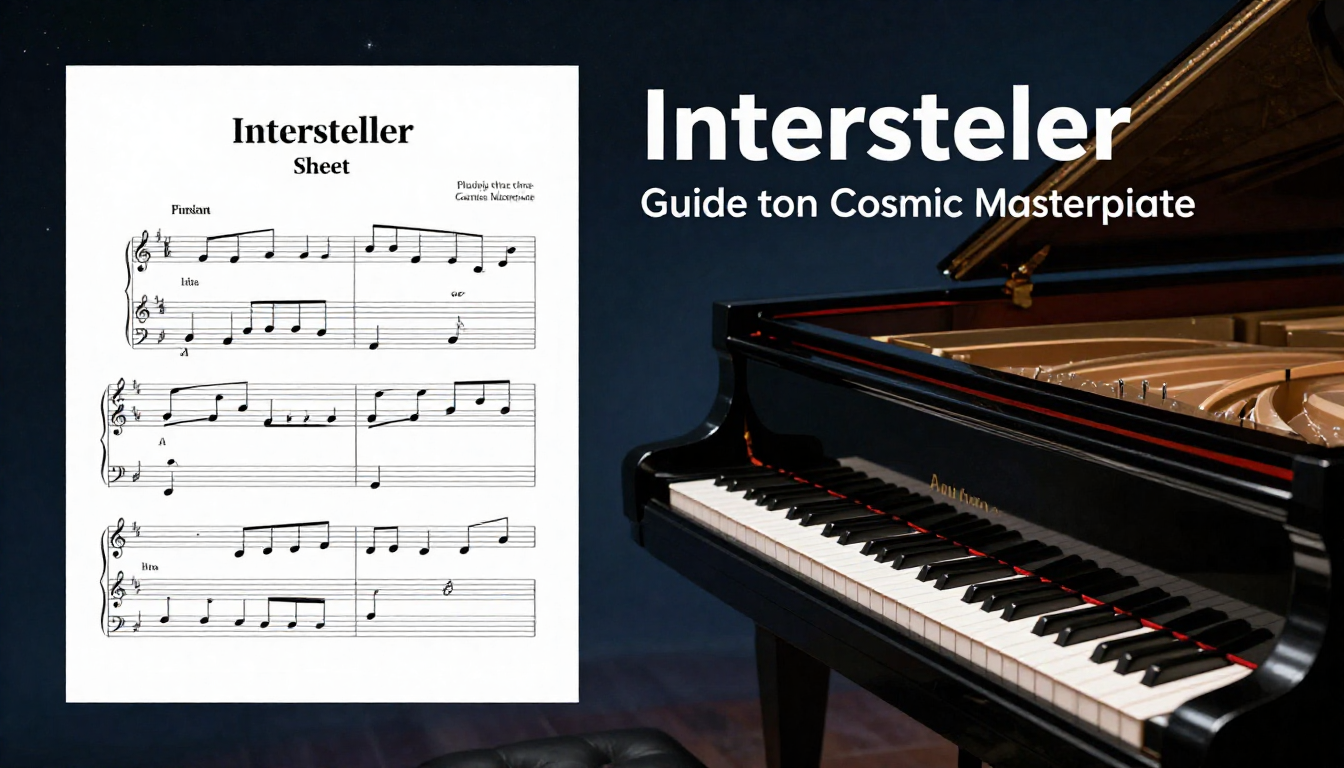
Interstellar Piano Sheet Music: A Guide to Playing the Cosmic Masterpiece
Christopher Nolan’s Interstellar captured the hearts of audiences worldwide with its stunning visuals, deep storytelling, and the unforgettable score by Hans Zimmer. Among all the elements of the film, the music stands out as an emotional and atmospheric cornerstone. The piano compositions in particular bring the vastness of space and the depth of human emotion into our homes, allowing musicians to recreate the epic story of interstellar travel on their instruments. For pianists and music enthusiasts, exploring Interstellar piano sheet music is a journey that combines technical skill, emotional expression, and cinematic magic.
Understanding the Music of Interstellar
The music of Interstellar is renowned for its minimalistic yet emotionally profound approach. Hans Zimmer used a mix of organ, strings, and piano to create compositions that mirror the vastness of space. The piano, in particular, provides a human touch amidst the cosmic scale. Its melodies range from soft, contemplative passages to powerful crescendos that evoke awe and introspection. Pianists looking to capture the essence of Interstellar must understand the emotional tone behind each piece.
Unlike traditional film scores, the pieces in Interstellar piano sheet music often focus on repetition and gradual development. This allows pianists to convey a sense of infinity and the slow passage of time, which mirrors the themes of the movie. Each composition carries a story within it, making interpretation just as important as technical accuracy.
Popular Interstellar Piano Pieces
Many of the themes from Interstellar have been adapted for solo piano. These compositions provide both beginner-friendly arrangements and more advanced versions for professional musicians. Some of the most popular pieces include:
First Step
“First Step” is one of the most iconic pieces in the score. Its gentle piano motif captures the hope and uncertainty of humanity exploring the unknown. Playing this piece allows pianists to express subtle emotions through dynamics and phrasing.
Cornfield Chase
“Cornfield Chase” is energetic and uplifting, reflecting the adventurous spirit of the film’s protagonist. On piano, the piece emphasizes rhythm and momentum, challenging players to maintain a consistent tempo while conveying excitement.
No Time for Caution
“No Time for Caution” is one of the most dramatic and tension-filled pieces in Interstellar. Adapted for piano, it offers opportunities to explore bold dynamics, intricate finger work, and expressive timing. The emotional depth of this composition makes it a favorite for recitals.
Stay
“Stay” is a deeply emotional piece that uses repetitive motifs to reflect longing and connection across time and space. Pianists can focus on subtle pedaling and expressive touch to bring out the melancholic yet hopeful tones.
Mountains
The piece “Mountains” reflects urgency and emotional tension, mirroring the pivotal scenes of the movie. Its piano adaptation provides both technical challenges and the chance to deliver cinematic storytelling through music.
Finding Interstellar Piano Sheet Music
For those seeking to play these compositions, Interstellar piano sheet music is widely available both online and in printed collections. Music platforms, digital sheet music stores, and specialty piano books often provide arrangements suitable for different skill levels. Some points to consider when choosing sheet music include:
- Skill Level: Look for arrangements that match your technical ability. Beginners might prefer simplified versions, while advanced players can explore the original complexity of Zimmer’s compositions.
- Accuracy: Ensure that the sheet music faithfully reproduces the melody, rhythm, and dynamics of the original score.
- Format: Digital sheet music allows instant download and printing, while printed books can be more convenient for practice away from screens.
- Annotations: Some editions provide fingering suggestions, expression marks, and practice tips to help interpret the music effectively.
Many online tutorials and video lessons also complement sheet music, offering visual guidance on fingering, timing, and expression.
Tips for Playing Interstellar Piano Pieces
Performing pieces from Interstellar requires more than just reading notes. Pianists should focus on the emotional narrative and technical execution. Here are some essential tips:
- Use the Pedal Wisely: Zimmer’s compositions often rely on sustaining notes to create a continuous, flowing sound. Pedal control is essential to replicate this effect without muddling harmonies.
- Emphasize Dynamics: The contrast between soft, reflective passages and powerful, dramatic sections is central to the emotional impact. Follow the sheet music markings carefully.
- Practice Slowly: Many Interstellar themes feature repetitive motifs. Practicing at a slower tempo helps internalize phrasing and dynamics.
- Focus on Timing: Pieces like “Cornfield Chase” and “Mountains” require precise timing to maintain rhythm and intensity. Metronome practice can be invaluable.
- Express Emotion: The piano allows intimate expression. Even a technically perfect performance may feel flat without emotional engagement. Think about the story behind each note.
Benefits of Learning Interstellar Piano Music
Learning and performing Interstellar piano sheet music offers many benefits for musicians of all levels:
- Emotional Expression: Zimmer’s music evokes deep emotions. Playing these pieces helps pianists connect with their own feelings and communicate them through music.
- Technical Development: The score includes a variety of techniques, from arpeggios to complex rhythms, helping pianists develop finger strength and coordination.
- Cinematic Appreciation: Pianists gain a deeper understanding of film scoring and the way music enhances storytelling.
- Personal Fulfillment: Successfully performing these iconic pieces brings a sense of accomplishment and connection to one of modern cinema’s most celebrated works.
Conclusion
Interstellar piano sheet music is more than just notes on a page; it is an opportunity to explore the cosmos through sound. From gentle, reflective melodies to powerful, dramatic climaxes, these compositions allow pianists to convey emotion, tell a story, and immerse themselves in the epic world of Interstellar. Whether you are a beginner or an experienced pianist, exploring this music offers technical growth, emotional depth, and a chance to connect with one of the most iconic film scores of the 21st century. By understanding the themes, practicing diligently, and embracing the narrative behind each piece, musicians can bring the vastness of space and the humanity of the film to life at their piano.
FAQs
Q1: Where can I find Interstellar piano sheet music?
Sheet music is available online through digital platforms, music stores, and piano-specific websites. Printed collections of Hans Zimmer’s film scores also contain many pieces adapted for piano.
Q2: Is Interstellar piano music suitable for beginners?
Some simplified arrangements are perfect for beginners. While the original compositions can be complex, many publishers provide easier versions that retain the emotional essence of the music.
Q3: Do I need any special piano skills to play Interstellar pieces?
Basic piano skills are enough for simplified versions. Advanced arrangements require experience with dynamics, pedaling, and expressive phrasing to capture the cinematic feel.
Q4: Can I play Interstellar music on a digital keyboard?
Yes. Digital keyboards with good sound quality can replicate the piano tones, and some even allow layering with orchestral sounds to emulate Zimmer’s original compositions.
Q5: How can I make my performance sound more like the movie score?
Focus on dynamics, timing, and emotional interpretation. Use proper pedaling, practice slowly, and study the original score or recordings to understand Zimmer’s intended atmosphere.