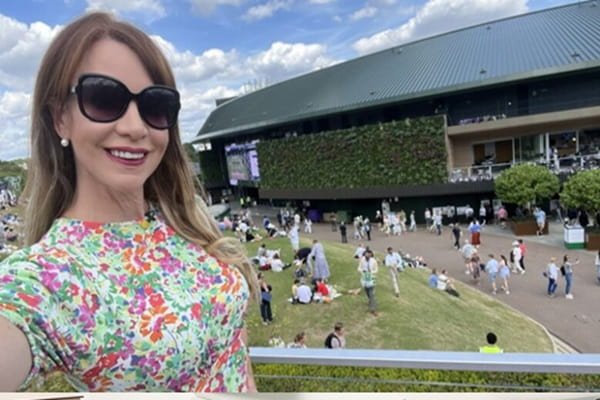
Elizabeth Rizzini Disability Clearing Up the Online Rumors and Misconceptions
Public figures often find themselves at the center of unexpected online speculation, and BBC weather presenter Elizabeth Rizzini is no exception. In recent years, the search term “Elizabeth Rizzini disability” has risen sharply, prompting curiosity, confusion, and a wave of misinformation across blogs and social platforms. But what is actually behind this keyword? Does Elizabeth Rizzini have a disability—or is something else driving the trend?
This article unpacks the origins of the search phrase, clarifies the facts, and explores why the public often becomes fascinated with the personal details of television presenters. By the end, you’ll have a clear and accurate understanding of the Elizabeth Rizzini disability topic and the misconceptions surrounding it.
Why Are People Searching for “Elizabeth Rizzini Disability”?
To understand the popularity of the keyword, it’s important to recognize the nature of online search behavior. When people repeatedly see a presenter on television—such as Rizzini delivering the forecast on BBC London—they naturally grow curious about her life off-screen. Even the most mundane details can invite speculation, and this is often amplified by algorithms that push trending topics to the forefront.
In this case, the rising search around “Elizabeth Rizzini disability” has less to do with confirmed facts and more to do with association, assumption, and the internet’s tendency to fill gaps with rumors.
The Truth: Elizabeth Rizzini Does Not Have a Publicly Known Disability
Despite the growing interest in the keyword, there is no verified information indicating that Elizabeth Rizzini has a disability. She has never publicly stated that she lives with one, and no reputable biography, interview, or BBC profile mentions such a condition.
Most articles that address the question confirm the same thing:
the rumor has no factual basis.
This is important to highlight because online speculation about a person’s health—especially when unfounded—can not only spread misinformation but also inadvertently disrespect personal boundaries.
The Real Source of Confusion: Her Partner, Frank Gardner
One major reason why the phrase “Elizabeth Rizzini disability” appears so often is due to her long-term partner, BBC Security Correspondent Frank Gardner, who is a well-known figure living with a disability.
Gardner became partially paralyzed after being shot six times in Saudi Arabia in 2004, an incident widely covered by international media. He uses a wheelchair and has spoken openly about disability rights, accessibility, and his personal challenges.
Because Rizzini and Gardner have appeared together in interviews and public conversations, many online users mistakenly connect his disability with her, sparking the search trend. Over time, algorithms have continued to reinforce the association—even when the content is correcting the misunderstanding.
How Misinformation Spreads in the Digital Age
The rise of the Elizabeth Rizzini disability keyword is a textbook example of how misinformation travels online:
Repetition Creates Legitimacy
Once a phrase becomes popular in searches, low-quality websites quickly generate articles around it—often without facts—to capture traffic. These articles then appear in search results, reinforcing the idea that the topic is legitimate.
Association Sparks Assumption
Because many people know Elizabeth Rizzini as Frank Gardner’s partner, the internet automatically links their personal details. This type of connection-based speculation is common with celebrities and public figures.
Lack of Reliable Context
In the absence of direct clarification from Rizzini herself, online audiences may assume the rumor exists for a reason. This assumption is then magnified through social shares and automated content.
Click-Driven Content
Many websites prioritize keywords over accuracy, producing sensational headlines or incomplete information simply to generate traffic.
Together, these factors transform a simple question into a widespread misconception.
Who Is Elizabeth Rizzini? A Quick Profile to Add Context
To understand why speculation grew around her, it’s helpful to know who Elizabeth Rizzini is:
-
A well-known BBC Weather Presenter
-
Based in London, covering regional and national broadcasts
-
Trained in meteorology through the Met Office
-
Known for her articulate, friendly presenting style
-
Passionate about astronomy, cycling, and environmental issues
-
Often active on social media, sharing bits of her professional life
Her approachable on-screen presence is one of the reasons viewers feel connected to her—making them more likely to search her name alongside curious personal questions.
Why This Keyword Reflects a Larger Pattern
The Elizabeth Rizzini disability trend isn’t just about one presenter—it highlights a broader issue:
People Are Intrigued by Personal Stories
Viewers often want to know more about the people they see daily on-screen. This curiosity can lead to assumptions or exaggerated narratives.
Health-Related Speculation Is Common—but Invasive
From actors and athletes to journalists and presenters, public figures frequently face unwarranted speculation about their health, physical appearance, or private life.
Relationships Influence Search Trends
When one partner lives with a disability or has a high-profile story, search engines automatically link both names to related topics.
Algorithms Amplify Curiosity
Once users start engaging with a certain phrase, algorithms push similar searches—making a rumor appear significant even when it isn’t.
Why Accurate Representation Matters
It is essential to address misinformation carefully, especially when discussing topics related to health or disability. Incorrect assumptions can:
-
Perpetuate stereotypes
-
Cause unnecessary public scrutiny
-
Lead to insensitive conversations
-
Blur the line between curiosity and intrusion
Public figures like Elizabeth Rizzini deserve the same respect and privacy as anyone else. While the internet often blurs boundaries, content creators and readers play a role in keeping discussions factual and ethical.
Setting the Record Straight
To summarize the facts clearly:
-
Elizabeth Rizzini does not have a publicly known disability.
-
The rise in searches is primarily due to her partner Frank Gardner’s well-documented disability.
-
The internet has amplified the keyword through repeated speculation, misunderstandings, and SEO-driven articles.
-
Accurate information helps prevent the spread of rumors and respects personal privacy.
Understanding this context not only clears up misconceptions but also highlights how quickly narratives can form online—even without any factual basis.
Conclusion
The surge in interest around Elizabeth Rizzini disability stems more from online confusion and association than from any verified reality. Elizabeth Rizzini remains a respected BBC weather presenter whose professional life, not personal health, is the core of her public identity. As readers and researchers, approaching such topics with accuracy and empathy helps prevent misinformation and maintains respectful discourse around public figures.
For more informative and well-researched articles like this one, feel free to explore the broader content available on shoujoramune.